
From design brief to sample
Sanle's design and development team works on both adaptations of existing formats and new package designs. A brief should identify how the package is filled, handled and dispensed, where the artwork sits, and which dimensions cannot change.
A drawing captures the target dimensions and neck finish. A prototype helps review grip, footprint and appearance before tooling. The molded sample is where the actual resin, closure, finish and intended contents can be evaluated together.
Start a bottle design briefQuality & sample approval
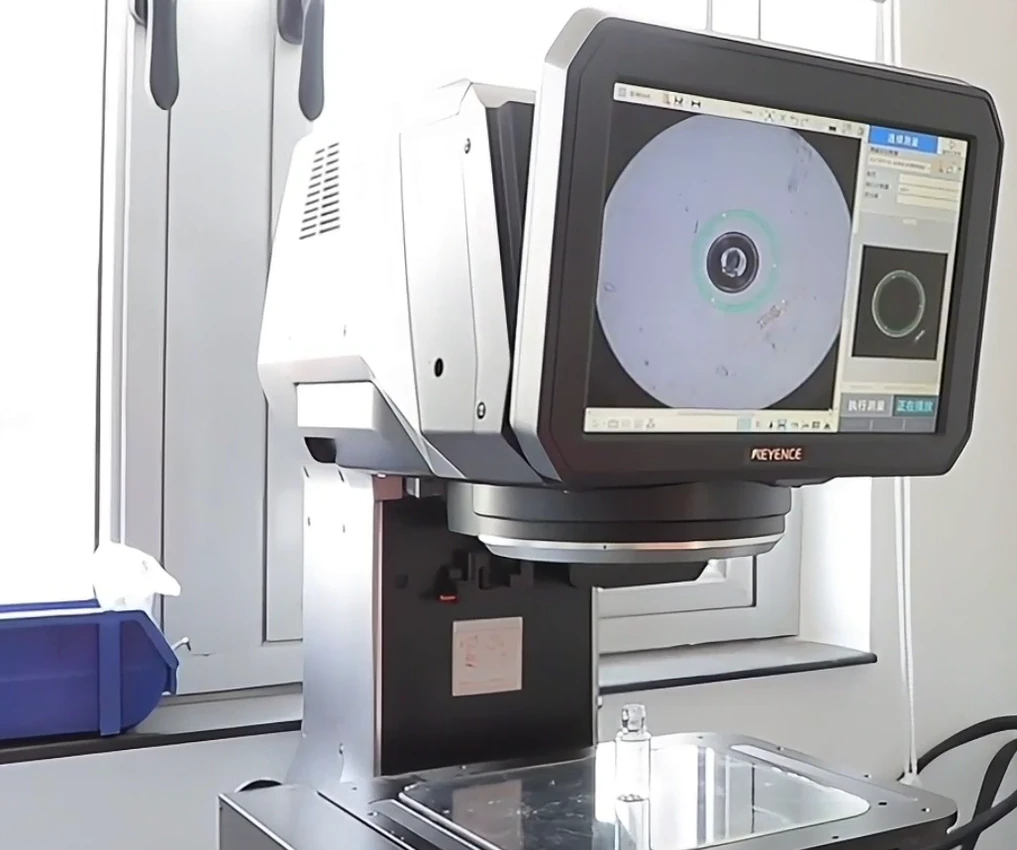
Packaging testing laboratory
Sample review starts with the complete package: the container, closure, decoration and intended contents. Agree what the sample needs to demonstrate before testing or approving it.
Checks to discuss for your project
Dimensions & neck finish
Compare the sample with the agreed drawing. Check the neck, threads, sealing surfaces and other specified dimensions against the agreed tolerances.
Closure fit & sealing
Assemble the chosen bottle or jar with its cap, liner or insert. Agree the fill, orientation and conditions to use when assessing fit or leakage.
Dispensing & assembly
Review how the closure or pump operates with the intended contents. Agree what to check, such as flow, spray pattern or assembly fit, before approving the sample.
Appearance & decoration
Compare color, gloss, texture and print placement against the agreed reference. Record the accepted finish and any visible limits on the approved sample.
Before sample approval
Share your drawing or reference sample, the intended contents, use conditions and destination market. Confirm the method, acceptance limits and documentation for the exact configuration.
Design and testing
-
Design brief
Document the contents, use, dimensions and dispensing requirements.
-
Drawings and prototypes
Review geometry, closure fit and the decoration area before tooling.
-
Sample testing
Agree what the physical sample must demonstrate, such as fit, sealing or dispensing.